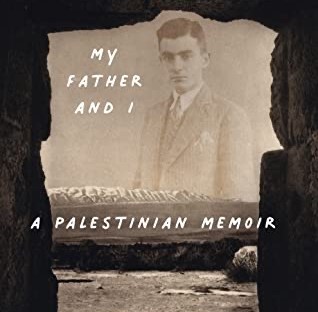
We Could Have Been Friends, My Father and I: A Palestinian Memoir by Raja Shehadeh

My Book Thoughts:

Diving into My Father and I Could Have Been Friends: A Palestinian Memoir by Raja Shehadeh reveals a narrative that intricately intertwines the lives of the author and his father, Aziz. This memoir serves not only as a heartfelt homage to paternal bonds but also as an unraveling of the rich tapestry of Palestinian history.

Raja’s evocative storytelling draws poignant parallels between himself and his father, Aziz. The vivid descriptions of Aziz’s life, motivations, and unwavering commitment to the Palestinian cause paint a compelling portrait of an underdog who emerges as a hero. Despite Aziz’s unyielding efforts, his unresolved assassination and the Israeli government’s reluctance to investigate cast a lingering shadow of injustice over the narrative.

The denial of access to the case file, justified under the guise of “privacy and information secrecy,” hints at a more disturbing truth—the possibility that those in power know the killer’s identity, potentially implicating high-ranking officials. This revelation fuels a sense of frustration, echoing the broader theme of oppression faced by Aziz and his human rights activism, particularly post-Nakba.

Raja adeptly navigates the complexities of his father’s life, portraying him not only as a dedicated human rights advocate but also as a mentor and guide in law. The exploration of the stark generational differences between Raja and Aziz, initially perceived as indifference, gradually transforms into a bittersweet connection as Raja delves deeper into his father’s legacy.

The book unfolds the internal struggles within the Shehadeh family, reflecting broader societal shifts in Palestine. Raja’s depiction of his father’s stoic demeanor and unyielding pursuit of justice becomes a lens through which the political landscape and the challenges faced by Palestinians are viewed.

As the narrative progresses, Raja’s commitment to preserving his father’s legacy becomes increasingly apparent. The exploration of Aziz’s notes and unpublished articles provides profound insights into the Nakba and the tragic decisions that led to the illegal occupation of Palestine. The involvement of countries like the United States, Britain, and France, coupled with the betrayal of Arab states, adds a layer of political intrigue and anger that intensifies the gravity of the situation.

The memoir fearlessly exposes the unsettling truth about international complicity in the atrocities committed against the Palestinian people. Learning about the United States supplying weapons to Israeli colonizers and seeking Arab assistance in suppressing Palestinian resistance is a gut-wrenching revelation that elicits disgust and raises questions about the ongoing consequences of such actions.

While recounting Aziz’s life, from his upbringing to his career, the memoir offers glimpses of normalcy amid the turmoil. However, it is not without its criticisms, particularly regarding the depiction of women in Aziz’s life and Raja’s family. Acknowledging these women may not have been directly involved in the legal system, it seems unfair that their opinions and political views are overlooked, highlighting the broader issue of sexism.

Moreover, the tragedy of displacement and the loss of homes, wealth, citizenship, and generational history resonate deeply. The Nakba, a catastrophic event that forcibly uprooted Palestinians, becomes an unthinkable reality, underscoring the harsh consequences of political maneuvering and power struggles.

One of the most powerful aspects of the memoir is the parallel drawn between Raja and Aziz’s commitment to human rights. The title, “We could have been friends, my father and I,” takes on profound meaning as the narrative unfolds. Despite differing perspectives and generations, the shared values and goals emerge as a testament to the enduring legacy of Aziz.

While reflecting on the past, Raja grapples with the political machinations that have marred Palestinian history. Furthermore, the memoir sheds light on the plotting of powerful nations and their role in destabilizing Palestine, perpetuating a cycle of suffering that continues to this day.

Raja wrestles with the hindsight of these events, acknowledging the difficulty of foreseeing such monumental challenges. The Palestinian people, left in the dark, were blindsided by political schemes and land grabs that altered the course of their history.

In conclusion, My Father and I Could Have Been Friends is a compelling exploration of familial bonds, political upheaval, and the enduring quest for justice. Raja Shehadeh’s masterful storytelling not only pays homage to his father but serves as a poignant reminder of the ongoing struggles faced by the Palestinian people. As readers traverse the pages of this memoir, they are confronted with the harsh realities of injustice, political betrayal, and the resilient spirit that persists even in the face of seemingly insurmountable challenges.
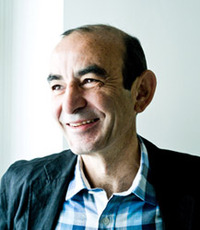
About the Author: Raja Shehadeh is the author of A Rift in Time, When the Bulbul Stopped Singing, Strangers in the House, described by the Economist as “distinctive and truly impressive,” and Palestinian Walks, for which he won the 2008 Orwell Prize. Shehadeh trained as a barrister in London and is a founder of the human rights organization Al-Haq. He blogs regularly for the International Herald Tribune/New York Times and lives in Ramallah, on the West Bank.

To quote Plestia from an Aljazeera interview: https://www.tiktok.com/@aljazeeraenglish/video/7315156081012002091

“We are not numbers; we are people. We have dreams…I just hope people will see us as humans. [And] I hope that they will understand that we’re resilient and we are patient because we don’t have any other option. But it’s not like Palestinians are built for wars and aggression. No, we’re humans. We love life and we want to live in peace as well just like any other human.”

My goal has been to share these nonfiction books with as much detail and clarity as possible. Slightly bereft of my normal commentary and in the moment thoughts and opinions. However, I find with content such as with this book it is still a challenge but sharing my thoughts and stance on these issues are important as well.

Thank you for stopping by and checking out my post.

Until the next one,

Gia.

Things You May Find Hidden in My Ear: Poems from Gaza by Mosab Abu Toha

My Book Thoughts:

“Things You May Find Hidden In My Ear” unfolds as a soul-stirring debut poetry novel, inviting readers into the rich tapestry of Mosab Abu Toha’s life—from the innocence of childhood to the profound moments of fatherhood. Each poem is a testament to purity, honesty, and a vivid portrayal of life, creating a surreal experience, especially when viewed through the lens of his younger self.

Abu Toha’s verses play with lightness and curiosity, seamlessly intertwining with the weight of life’s challenges within his family and the broader community. The poems act as windows into the struggles faced by loved ones and even strangers, depicting the stark realities of death, close encounters with mortality, and the chilling memories of four violent militant attacks in Gaza. Through these words, the resilience of the Palestinian people resonates, capturing hearts with its enduring strength.

Engaging with this emotionally charged and reflective book, readers embark on a journey of profound intensity. Abu Toha’s powerful verses, rich with detail and information, create an immersive experience. Personally, navigating through the book became a deeply moving and challenging expedition. Over the past two months, we’ve been amplifying the voices and stories of the illegal occupation of Palestine, shedding light on the suffering in Gaza and the West Bank. Witnessing the destruction of homes, schools, hospitals, and places of worship, alongside the lives of innocent civilians, has left an indelible mark on our collective conscience.

In the pages of “Things You May Find Hidden In My Ear,” the poet not only captures the historical resilience of the Palestinian people but also brings the reader into a poignant conversation within the present. Published in April 2022, the book gains a haunting timeliness as many of the places mentioned in the selected poems and the interview (with the author at the end of the book) have been destroyed in the last sixty days. Abu Toha’s past experiences come alive, resonating with the current state of affairs in Gaza, adding an extra layer of emotional weight to the reader’s experience.

Reading the vivid accounts of past devastation while simultaneously witnessing the ongoing destruction is a heart-wrenching paradox. It’s as if time itself is caught in a cruel loop, a recurring nightmare that refuses to end. The author’s portrayal of events becomes even more powerful, transcending the pages of the book and resonating with the urgent reality of the present moment. The reader is left grappling with the profound question of how such atrocities persist without substantial intervention.

In “Things You May Find Hidden In My Ear,” Mosab Abu Toha doesn’t just share his personal journey; he invites readers to bear witness to the ongoing struggles of a people and a region entangled in a relentless cycle of hardship. The book serves as a powerful testament to the resilience of the human spirit in the face of unrelenting adversity, urging us to confront uncomfortable truths and prompting a call to action that transcends the confines of its pages.

About the author:

Mosab Abu Toha is the winner of a 2022 Palestine Book Award and a finalist for the National Book Critics Circle Award in Poetry.
He is a Palestinian poet, scholar, and librarian who was born in Gaza and has spent his life there. He is the founder of the Edward Said Library, Gaza’s first English-language library. Things You May Find Hidden in My Ear is his debut book of poems. It won a 2022 Palestine Book Award and was named a finalist for the National Book Critics Circle Award in Poetry.
In 2019-2020, Abu Toha was a Visiting Poet in the Department of Comparative Literature at Harvard University. Abu Toha is a columnist for Arrowsmith Press, and his writings from Gaza have also appeared in The Nation and Literary Hub. His poems have been published in Poetry, The Nation, The New York Review of Books, the Academy of American Poets’ Poem-a-Day, and Poetry Daily, among others.

Wrapping up this reflection on “Things You May Find Hidden In My Ear,” I sincerely hope that amidst the emotional journey these words have taken you on, you’ve found something uplifting and thought-provoking. Literature has a unique power to bridge gaps, fostering understanding and empathy.

Let’s carry with us the importance of continuing to read, share, and amplify the voices and stories of the Palestinian people. It is through these narratives that we can truly grasp the gravity of the injustices and challenges they face daily. By staying informed and engaged, we contribute to a collective dialogue that transcends borders and brings attention to the urgent need for change.

Thank you for taking the time to explore these reflections with me. Your commitment to learning and understanding plays a vital role in fostering awareness and compassion.

Until the next post,

Gia.

How Do You Measure Achievement?

Photo by Luke Webb on Pexels.com

I wish I had the answer key for this one. I’m sure many of use do. Being an adult is hard. As children, there were so many things we couldn’t wait to do when we got older. Somehow, we all just believed that because we we too young there weren’t going to be any barriers or people who would stand in our way. No more “Nos”. No more goals blocked. The world would be open to us. I definitely remembered this feeling while I was in college. Away from my family and hometown. In a new city with new people and free to do what I wanted. But that wasn’t always the case; it was just a new city with different barriers and different faces to block my goals.

There were peers who used me to get their scripts and films into production and edited because I was too kind and naive to be friendly in the unfamiliar setting ( I was a transfer student). And there were professors who played favorites when it came to my final senior film project–that was needed for graduation.

They allowed peers from the class to leave my crew the week before my production dates to be extras on someone else’s set. While I was left with a skeleton crew, lost a ton of money and actors who weren’t sure they would be available for when ever I rescheduled the shoot.

That experience still leaves a bitter taste in my mouth. And it made me not want to be involved with film production or anything that was related to it for a really long time. In a few months, it’ll be ten years since I experienced that traumatic event. The wound isn’t as fresh but the scarred tissue is sensitive to the touch.

While not on the same tier as that when it comes to this blog, I found I had lost my joy when it came to the reviews I was doing. I’ve always had the ability to find interest in reading material when it came to school. When I felt the urge to catch-up on reading for fun, I was inspired to create this space.

I was convinced that having this blog, I would be able to read so many great things, feel like I was a part of community and talk with readers who loved to read just as much as me. But the more attention my blog got and the more material gifted or offered to me started to make reading feel like a chore or work. I feel into the longest reading slump after that. It wasn’t until I joined BokTok that I realized I’ve been a mood reader this whole time! lol It’s part of the reason I stopped with my review posts.

In fact, this has been my first blog post in years and I have to admit that it has been the first real solid thing I have “written” in some time. Admitting that makes me feel strange. I never thought I would lose that part of myself, but I did. This space I created here was not only to explore writing reviews for books and shows. It was meant to be a space to peel back layers and express myself; however awkward or embarrassing it might be.

There have been so many changes in my life: physically, mentally and emotionally. I wish there were easier words to convey all of those changes but the list is too long and the emotions behind them are too great, too raw.

I guess this is my first post since my hiatus to convince myself and anyone else who happens to find it that achievements are only measurable by the specific goals you set for yourself. If we get “lost in the sauce,” over the achievements of others we might compare ourselves to then we will never be happy. We will never feel we have accomplished anything, ever.

When in reality, we have accomplished so much. And when we are able to tick off the smaller things on our lists on our bad days, our accomplishments are twice-fold.

I decided in January of this year that I would aim to post reviews here as often as I felt like through out the year. But not to hold myself to the standard of other bloggers or reviewers because I am reading again! And more than anything, I really don’t want to lose the joy it brings me again.

I am happy to be back.

Happy Monday and Happy Reading.

Gia.

Drapetomania By: John R. Gordon | Book Review w/ Author Q&A

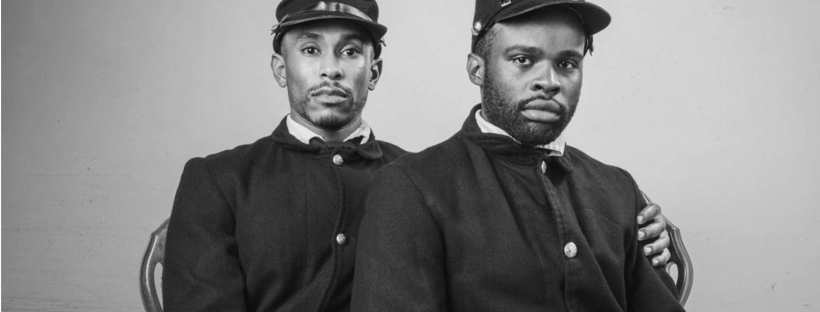
Drapetomania; or The Narrative of Cyrus Tyler & Abednego Tyler
By: John R. Gordon
Genre: History, LGBT, M/M, Slavery, Fiction, Literature
Rating: 5 stars
Publisher: Team Angelica
Release Date: May 17, 2018
Goodreads | Amazon| B&N

Synopsis: When house-servant Abednego is sold away south, his heartbroken field-hand lover Cyrus snaps and flees the estate on which he has lived his entire life. Leaving everything he knows behind him, evading dogs and patrollers as he heads north, in the midst of a dismal swamp Cyrus receives the revelation that Abednego is his true North Star, and, impossible though it seems, he determines to find and rescue his lost lover from slavery.

Ten years in the writing, Drapetomania, Or The Narrative of Cyrus Tyler & Abednego Tyler, lovers, is an epic tale of black freedom, uprising, and a radical representation of romantic love between black men in slavery times.

A riveting, masterful work. Set against the brutalizing, material captivity meant to break the soul, that came to define the chattel enslavement of Africans in the American south, Drapetomania tells the compelling story of two men whose love for each other reimagines the erotic contours of what was possible under the whip and scrutiny of catastrophic bondage. Here is a story of love so powerful, so achingly present, it dares to consider not just the past but the future, as vital to freedom; and in doing so, defies any notion of the black enslaved body as an ugly, unpalatable thing, unworthy of the sweetness of love. Gordon’s novel enters the company of such classic works as Edward P. Jones’s The Known World, Toni Morrison’s Beloved, and Barry Unsworth’s Sacred Hunger. We will be reading and talking about this extraordinary novel for years to come.


Book Review:

Reading this book was such an experience for me. Each chapter, character action, the accuracy in the details, the pacing; all of it reads like an epic.  I went through several stages of what felt like a symbolic, yet temporal, metamorphosis, both emotionally and consciously, by the lives illustrated by some of the enslaved characters in this book. So, I will try to keep my notes and thoughts on the story linear with this post.

Drapetomania is broken up into three books in this novel and told in a third person perspective that alternates between the lives and experiences of the two main characters, Cyrus and Abednego. Set in the late 19th century, where bristling talk and whispered rumors of a war between the Southern plantations faction of the United States, against the industrializing, forward-thinking North. However, unaware of the truth behind the rumors of a Civil War on the horizon, Cyrus, and Abednego, two enslaved men who live and work on the same plantation, have fallen in love.

I already knew a lot about the horrible treatment, abuse and dehumanizing conditions that enslaved Africans & African-Americans lived in, but to be placed in the middle it while reading this book took a whole other form and meaning.

During my Q&A with John, (the full interview is below) I asked about certain story themes and relative messages that he placed in the narrative. And one of those was the appalling suffering of enslaved African women, which I found one of the toughest aspects of this book I found to get through. Which is why I felt the practically spiritual connection and love between Cyrus and Abednego truly represented not only the light of this book but also the feeling of hope that pulled me through the story.

In book one, we follow Cyrus, a field-hand, as he runs away from the Tyler estate several months after Abednego has been sold away. He sets out for freedom and follows the North Star while being hunted until he realizes that he is running for a sense of freedom that he has only ever felt when with his lover, Abednego. Once Cyrus understands what he is truly missing, his character is driven by that singular desire of feeling whole once more—with Bed.

The journey we watch Cyrus go on to try to track down his lover’s potential whereabouts is anything but easy, clear or hopeful, but his compulsive need to try really resonated with me. I know it will with other readers as well.

And while I felt I was kind of on pins and needles reading this book with the tension engulfing Cyrus’ situation, I enjoyed the emotional connection I gain toward his character’s personal growth from one daring escape—each more intense than the last—to the other of the many hold-your-breath peril moments he encountered.

Cyrus’ shift from relying solely on his physical abilities, to quick thinking and blending in with other enslaved individuals really brought his character to life. In book two, the perspective shifted to Abednego and I love, love, loved that I was able to see Abednego’s point of view first-hand as all the information we have up until this point was from Cyrus’ s point of view.

And while book two depicts his life after Tyler’s estate and several months before Cyrus’s escape, it brought a validation to their relationship, their love for each other and their story all at once. As at the heart of everything that unfolds in Drapetomania, it was a reminder that it is a love story of one heart beating within these two men.

Continue reading

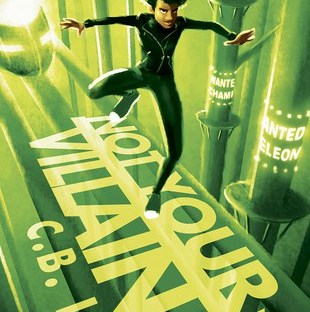
Not Your Villain (Sidekick Squad #2) By: C.B. Lee | Review (+Giveaway)

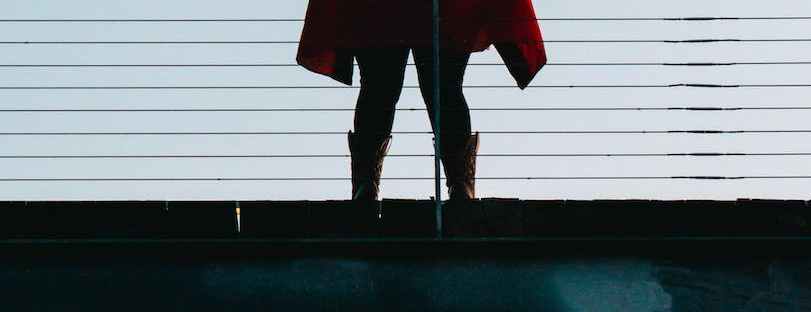
Amazing cover!!!

Not Your Villain (Sidekick Squad #2)

Genre: LGBTQ+, YA, Adventure, Fantasy, Sci-fi
Rating: 5 stars
Release Date: October 5 2017
Synopsis:

Bells Broussard thought he had it made when his superpowers manifested early. Being a shapeshifter is awesome. He can change his hair whenever he wants, and if putting on a binder for the day is too much, he’s got it covered. But that was before he became the country’s most-wanted villain.

After discovering a massive cover-up by the Heroes’ League of Heroes, Bells and his friends Jess, Emma, and Abby set off on a secret mission to find the Resistance. Meanwhile, power-hungry former hero Captain Orion is on the loose with a dangerous serum that renders meta-humans powerless, and a new militarized robotic threat emerges. Everyone is in danger. Between college applications and crushing on his best friend, will Bells have time to take down a corrupt government?

Sometimes, to do a hero’s job, you need to be a villain.

Book Review:

I loved this book so much that I had trouble putting it down. I feel like I talked about how C.B. Lee gives the reader a conventional and non-conventional narrative atmosphere last time, but just in case I didn’t, I think readers of this book will love,  as I did, the way theme of love and friendship are blended into the story with this amazing amount of ease that you almost forget you are reading a story.

The main characters are just so relatable. I can usually tell when I’m reading a story even if I am really into a book, but not when it comes to the Sidekick Squad series. From start to finish, the narrative incorporates a consistent and present bubble of humor, honesty, progressive relatability, acceptance, love AND excitement!

Reading this book you get so swept up in the funny, cute and friendship “aww” moments that when the action starts you’re just as shook as the rest of the characters!

At least that is how I felt. I love when books keep surprising you because it gives you the opportunity to never be bored with surprises and adventures in every single chapter.

Continue reading

Unforgivable Love By: Sophfronia Scott | Review

Unforgivable Love: A Retelling of Dangerous Liaisons
By: Sophfronia Scott
Rating: 4.5 stars
Genre: Historical Fiction, Retellings, Romance,
Release Date: September 26, 2017
Synopsis:

“A dazzlingly dark and engaging tale full of heartbreak, treachery, and surprise.” – Kirkus

In this vivid reimagining of the French classic Les Liaisons Dangereuses, it’s the summer when Jackie Robinson breaks Major League Baseball’s color barrier and a sweltering stretch has Harlem’s elite fleeing the city for Westchester County’s breezier climes, two predators stalk amidst the manicured gardens and fine old homes.

Heiress Mae Malveaux rules society with an angel’s smile and a heart of stone. She made up her mind long ago that nobody would decide her fate. To have the pleasure she craves, control is paramount, especially control of the men Mae attracts like moths to a flame.

Valiant Jackson always gets what he wants—and he’s wanted Mae for years. The door finally opens for him when Mae strikes a bargain: seduce her virginal young cousin, Cecily, who is engaged to Frank Washington. Frank values her innocence above all else. If successful, Val’s reward will be a night with Mae.

But Val secretly seeks another prize. Elizabeth Townsend is fiercely loyal to her church and her civil rights attorney husband. Certain there is something redeemable in Mr. Jackson. Little does she know that her worst mistake will be Val’s greatest triumph.

BOOK REVIEW:

Unforgivable Love is a retelling of the classic Les Liaisons Dangerous, but I’m not familiar with the original story. What I do know is that this book is filled with this laid-back, passionate and vibrant imagery elegance from start to finish. The love and details of music associated with Harlem and the rippling complexity of each of the characters draw a number of favorable points for this book.

Besides being set in one of my favorite eras, I found that the cockiness of the main characters was something that really kept me hooked almost right away because their confidence and self-assurance was not only entertaining but intriguing; almost daringly pulling the reader into their games with them. Likewise, the characters brought an infectious intensity, twists and at times bits of humor in the narrative.  Like others will, I’m sure,  I really loved the well laid out social intrigue between Mae and her inner circle.

Underneath Mae’s calculating motives and cool demeanor, there’s a girl so hungry for love that I couldn’t help but empathize with. It is clear that the loss of her closest and dearest friend, and first true love has turned Mae against the world and the core motivations behind her plan regarding her cousin comes from a place of pride, ego, rejection and old wounds that haven’t healed around her heart.

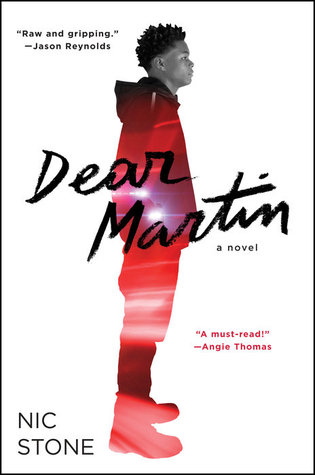
Dear Martin By: Nic Stone | Review & Reaction

Dear Martin COVERDear Martin
Genre: YA Fiction, Contemporary Fiction, Social Issues
Rating: 5 stars
Release Date: October 17th 2017
Publisher: Crown Books for Young Readers
I received this ARC in a giveaway &
it in no way affects my review or unbiased opinion of this book.

Goodreads | B&N | Amazon | B&D | IndieBound

Synopsis:

Raw, captivating, and undeniably real, Nic Stone joins industry giants Jason Reynolds and Walter Dean Myers as she boldly tackles American race relations in this stunning debut.

Justyce McAllister is top of his class, captain of the debate team, and set for the Ivy League next year—but none of that matters to the police officer who just put him in handcuffs. He is eventually released without charges (or an apology), but the incident has Justyce spooked. Despite leaving his rough neighborhood, he can’t seem to escape the scorn of his former peers or the attitude of his prep school classmates. The only exception: Sarah Jane, Justyce’s gorgeous—and white—debate partner he wishes he didn’t have a thing for.

Struggling to cope with it all, Justyce starts a journal to Dr. Martin Luther King Jr. But do Dr. King’s teachings hold up in the modern world? Justyce isn’t so sure.

Then comes the day Justyce goes driving with his best friend, Manny, windows rolled down, music turned up. Way up. Much to the fury of the white off-duty cop beside them. Words fly. Shots are fired. And Justyce and Manny get caught in the crosshairs. In that media fallout, it’s Justyce who is under attack. The truth of what happened that night—some would kill to know. Justyce is dying to forget.

My Reaction:

I call this “my reaction” because it not only took me a bit to type up my review for the book itself, but also all of the thoughts, feelings and memories this book made me think of.  Although this book left my mind and heart just all over the place, I truly loved it and I am grateful I was given the opportunity to read this ARC  because it had such a huge affect on me and it is something that I look forward to sharing with my family and friends.

From the moment I started reading, I was able to connect with Justyce’s character—from his thoughts, concerns, fear and anxiousness. And his attempt at trying to make sense of himself and the rest of the world through a method inspired by Dr. Martin Luther King Jr. teachings following the fall out of his wrongful arrest. It was just all so real, raw, insightful and moving.

One of the many things I loved and appreciated about this book was the way Nic Stone keeps the narrative objective because it makes it so connectable to other readers, whether they are allies, individuals who have experienced some of the same situations Justyce has faced or others ignorant of the seriousness and dangers African Americans and other POC face every day when it comes to racism.

I pondered if I wanted to focus on the situation regarding Justyce and his arrest as being the main focal points I discussed for this book, but in all honesty, it is so much more than racial profiling from authorities. The political, inaccurate and discriminatory stories spun by a lot of the media outlets and the prejudices of people—it all just hits home.

There wasn’t an instance when I did not imagine my brothers or my uncles in situations close to Justyce’s and it shook me.  However, choosing LOVE over HATE. Recognizing that we still have such a far way to go. Accepting that we can’t do it on our own. Knowing that importance of sticking together, speaking together and moving together is the only way forward. And being strong enough to face it all head on.

Even before last week’s protest in Charlottesville, VA, I was struggling to come up with the right words for how moving and important this book is to all readers, young or old, because I was hung up on how real and close to our reality it was. Of course, as an African-American woman, it was impossible not to see my brothers or my uncles and even myself in the situations that Justyce was dealing with in this book and that become such a jarring feeling.

Aside from being raised by a single parent, Justyce and I represent two completely different worlds, but regardless, I know that a POC’s story and life is hardly ever taken into account when they are profiled, victimized or harmed. With this, I am trying to choose my words so carefully here because with the weight and present state of our world weighing down on my heart and everything just feeling so wrong and backwards these days.

Continue reading

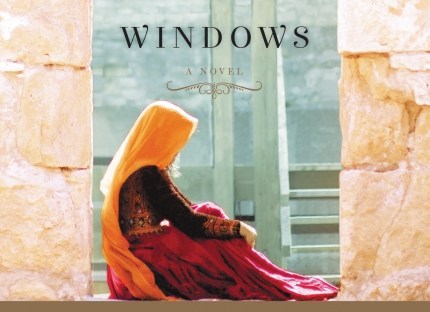
A House Without Windows By: Nadia Hashimi | Review

A House Without Windows
By: Nadia Hashimi
Genre: Contemporary Fiction, Culture, Mystery, Family, Friendship
Rating: 4 stars
Reprint release Date: May 16, 2017
Publisher: William Morrow Paperbacks/ Harper Collins

Synopsis:

A vivid, unforgettable story of an unlikely sisterhood—an emotionally powerful and haunting tale of friendship that illuminates the plight of women in a traditional culture—from the author of the bestselling The Pearl That Broke Its Shell and When the Moon Is Low.

For two decades, Zeba was a loving wife, a patient mother, and a peaceful villager. But her quiet life is shattered when her husband, Kamal, is found brutally murdered with a hatchet in the courtyard of their home. Nearly catatonic with shock, Zeba is unable to account for her whereabouts at the time of his death. Her children swear their mother could not have committed such a heinous act. Kamal’s family is sure she did, and demands justice.

Barely escaping a vengeful mob, Zeba is arrested and jailed. As Zeba awaits trial, she meets a group of women whose own misfortunes have also led them to these bleak cells: thirty-year-old Nafisa, imprisoned to protect her from an honor killing; twenty-five-year-old Latifa, who ran away from home with her teenage sister but now stays in the prison because it is safe shelter; and nineteen-year-old Mezhgan, pregnant and unmarried, waiting for her lover’s family to ask for her hand in marriage. Is Zeba a cold-blooded killer, these young women wonder, or has she been imprisoned, as they have been, for breaking some social rule? For these women, the prison is both a haven and a punishment. Removed from the harsh and unforgiving world outside, they form a lively and indelible sisterhood.

Into this closed world comes Yusuf, Zeba’s Afghan-born, American-raised lawyer, whose commitment to human rights and desire to help his motherland have brought him back. With the fate of this seemingly ordinary housewife in his hands, Yusuf discovers that, like Afghanistan itself, his client may not be at all what he imagines.

A moving look at the lives of modern Afghan women, A House Without Windows is astonishing, frightening, and triumphant.

Continue reading