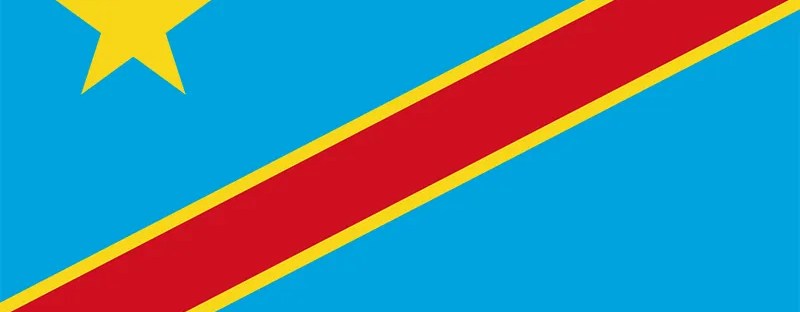


I admit it. There are so many things about Africa that I just do not understand. I feel that may be deliberate, based on the United States education system and the format of the US’s version of history and current politics.
However, the things that I have learned about Africa recently have proven that the continent and diaspora have a very rich history, but even more complex government and political systems. And most of that complexity has to do with interference and the stealing of its valuable resources by the US, UK, France, and other westernized countries.
Understanding the Situation in the DRC
Focusing in on the Democratic Republic of the Congo (DRC), the primary resource that is being illegally mined–by women, men and children–is cobalt, a substance used in most, if not all, tech. From laptops to electric and hybrid cars, from cellphones to video game consoles, cobalt is essential. There has been an increase in awareness of the treatment and conditions children and families in the DRC face because of forced mining. But there just isn’t enough mainstream media coverage. This leaves everyday individuals who read, listen, and watch what is really happening around our world to post about it.
In terms of finding legitimate places that source and collect resources for the people in the DRC, I have only found a few. I am still looking into other places for Sudan. The most challenging aspect of these humanitarian crises is that a lot of the western organizations that claim to raise money for these countries do not actually give the money and aid to the people.
There seem to be countless cases over the decades of organizations stealing donations. And in light of recent months, there have been even more individuals stealing funds, donations, and aid from the DRC, Sudan, and Palestine.
Organizations Making a Difference
The best I can do at this moment in time is to elevate the organizations and voices of those actually trying to help these individuals. Even small donations can make a difference. My aim was to focus on Congo-related accounts that are on the ground in the DRC and providing regular updates and information. Here are the most consistent sources that I’ve come across:
Focus Congo: An organization that invests in young people and leaders in the Congo to build partnerships with local grassroots organizations. It creates access to resources necessary for survival. This organization promotes a vision of justice and peace for the country.
Friends of Congo: An organization established in 2004 to work in partnership with the Congolese to bring about peaceful and lasting change in the DRC. Their mission is to raise the consciousness of the world community about the challenges of the Congo and support Congolese institutions in bringing about peaceful and lasting change. Their goal is to eventually have a peaceful and prosperous Congo wherein Congolese are able to fulfill their rightful human and natural potential.
Juice Bae in the Wild: A volunteer nurse living in the heart of the DRC’s refugee camps, providing aid and medical care to its residents.
Pappy Orion: An activist and Congolese filmmaker who spreads awareness and uplifts the voices of the people living in the DRC. He is also the founder of Focus Congo.
It is crucial to support these organizations and individuals who are making a real difference on the ground. By spreading awareness and donating, even a small amount, we can collectively contribute to the welfare and future of the DRC and its people. Likewise, consider buying refurbished electronics and having your tech fixed rather than buying new ones.
What steps can you take today to support the organizations making a difference in the DRC, and how can we collectively raise more awareness about the humanitarian crises in Congo?
Please comment down below.
Until the next time,
Gia




 G. Jacks Writes (About Everything)
You must be logged in to post a comment.